Researching the Truth
This page offers a comprehensive collection of resources for those who wish to deepen their understanding of the Tulsa Race Massacre. We have curated books, articles, documentaries, archives, and educational materials that provide accurate information about this historical event.
All sources have been selected for their historical accuracy, depth of research, and commitment to centering the perspectives of massacre survivors and their descendants.
Books & Publications

Events of the Tulsa Disaster
One of the earliest written accounts of the massacre, written by a journalist who survived the events and collected testimonies from other survivors.
Black Wall Street: From Riot to Renaissance in Tulsa's Historic Greenwood District
A comprehensive history of Greenwood before, during, and after the massacre, with a focus on the community's resilience and rebuilding efforts.

Death in a Promised Land: The Tulsa Race Riot of 1921
One of the first scholarly examinations of the massacre that brought this history to wider attention. Ellsworth later served on the 1997 Tulsa Race Riot Commission.

The Ground Breaking: An American City and Its Search for Justice
Published for the centennial, this book chronicles the ongoing search for mass graves and the community's fight for recognition and justice.

Tulsa 1921: Reporting a Massacre
Examines how local and national media covered—or failed to cover—the massacre, and how journalism shaped the narrative of what happened.

Dreamland Burning
A young adult novel that interweaves a contemporary story with a historical narrative set during the massacre, introducing younger readers to this history.
Documentaries & Films

Tulsa: The Fire and the Forgotten
A documentary examining the massacre through the lens of present-day public efforts to uncover the truth and provide justice to descendants.
Tulsa Burning: The 1921 Race Massacre
Executive produced by NBA star Russell Westbrook, this documentary explores the history of Greenwood and the events of the massacre.

Watchmen
While a fictional series, the opening scene depicts the Tulsa Race Massacre, introducing many viewers to this history for the first time. The series incorporates themes of racial justice and historical reckoning.

Black Wall Street: A Black Holocaust in America
An earlier documentary that helped bring the massacre to broader public awareness in the 1990s, featuring interviews with survivors who were still alive at that time.
Archives & Digital Collections

Tulsa Race Massacre Collection - Tulsa Historical Society
The Tulsa Historical Society maintains an extensive collection of photographs, oral histories, and documents related to the massacre. Their digital archive includes over 1,000 photographs and numerous historical documents.

1921 Tulsa Race Massacre - Oklahoma Historical Society
The Oklahoma Historical Society maintains records, newspapers, and photographs related to the massacre. Their collection includes materials that document both the events themselves and how they were recorded (or erased) from official narratives.

Greenwood Cultural Center Digital Collection
The Greenwood Cultural Center maintains an archive of materials related to Greenwood before, during, and after the massacre. Their collection emphasizes the cultural and economic vibrancy of the community and its resilience.
Museums & Physical Sites
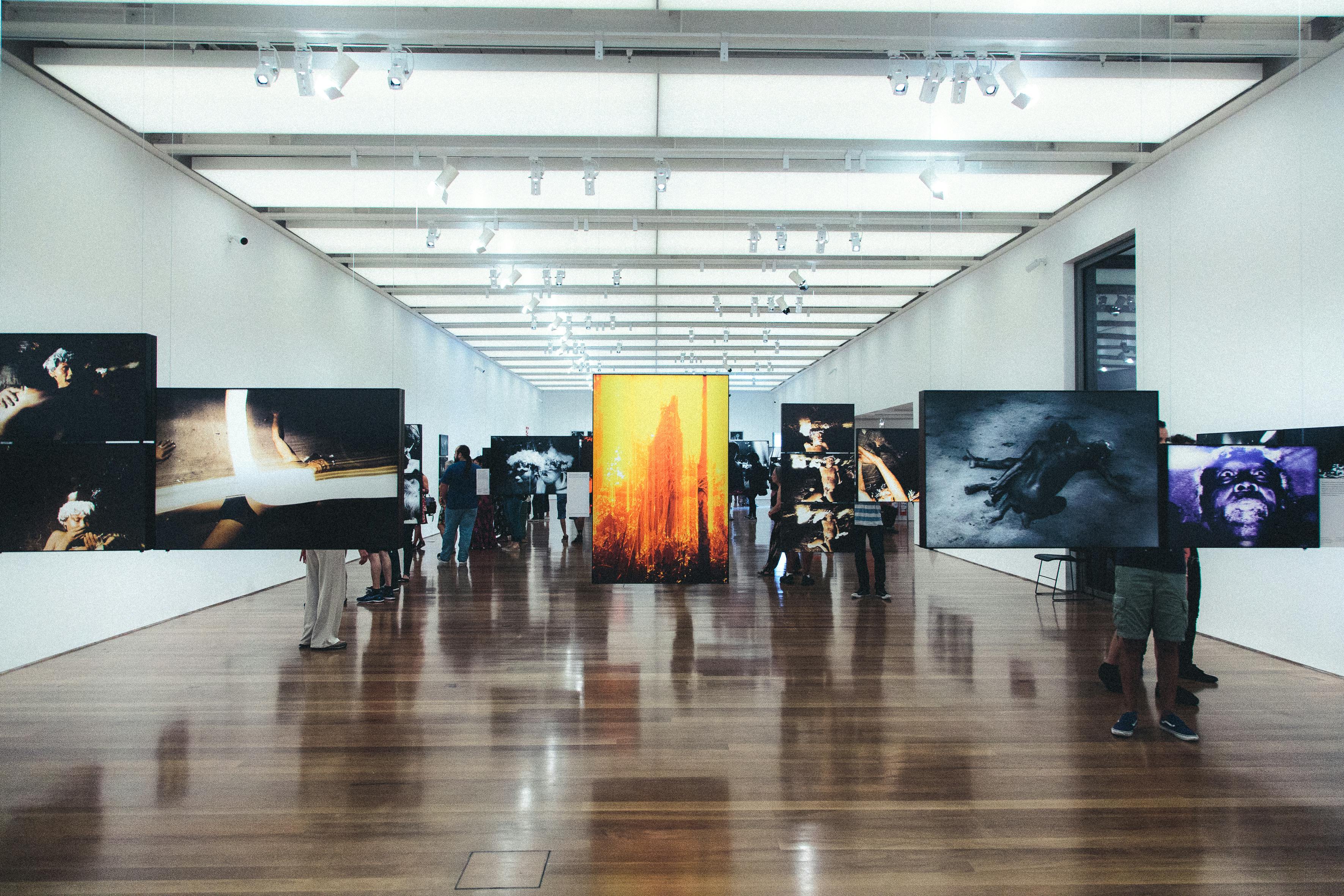
Greenwood Rising History Center
Tulsa, Oklahoma
Opened in 2021 for the centennial, this state-of-the-art history center tells the story of Greenwood before and after the massacre, with immersive exhibits and educational programming.

John Hope Franklin Reconciliation Park
Tulsa, Oklahoma
Named for the renowned historian whose father survived the massacre, this park features monuments and educational exhibits about the massacre and efforts toward reconciliation.

Greenwood Cultural Center
Tulsa, Oklahoma
Established in 1995, the center preserves African-American heritage in Tulsa and educates visitors about Greenwood's history. It hosts exhibits, cultural events, and educational programs.

Vernon AME Church
Tulsa, Oklahoma
One of the few buildings to survive the massacre, though its upper floors were burned. The basement, where many people sought refuge during the violence, is preserved as a historical site.
Educational Resources
These teaching and learning resources have been developed by educators and historians to help integrate the history of the Tulsa Race Massacre into classroom instruction.
Tulsa Race Massacre Centennial Commission - Education Resources
Curriculum guides, lesson plans, and classroom activities for K-12 educators teaching about the massacre.
Oklahoma Historical Society - Teaching Resources
Primary source documents, historical context, and teaching guides specifically designed for Oklahoma history courses.
National Museum of African American History and Culture - Tulsa Resources
Educational materials that place the massacre in the broader context of African American history and the struggle for civil rights.
Facing History and Ourselves - Tulsa Curriculum
Teaching resources that help students connect historical racism to contemporary issues and develop critical thinking skills.